
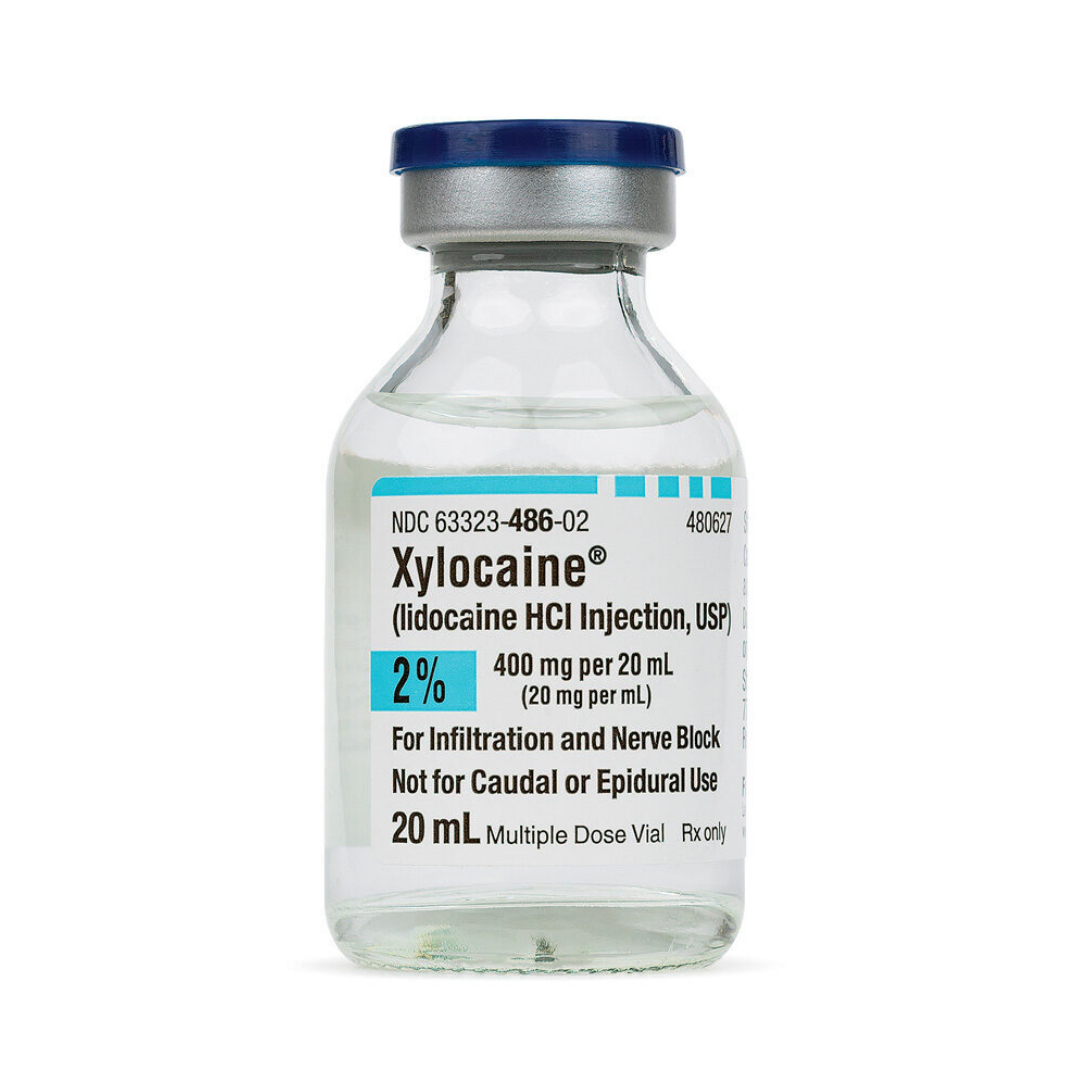
Product Overview
Lidocaine–Epinephrine Injection is a prescription local anesthetic combination used to provide rapid, localized anesthesia with prolonged duration and reduced bleeding. Lidocaine blocks nerve impulse transmission, while epinephrine acts as a vasoconstrictor, slowing systemic absorption of lidocaine and enhancing anesthetic depth and duration.
This combination is commonly used for minor surgical procedures, dermatologic interventions, dental procedures, wound repair, and pain control during localized medical treatments. Injectable administration allows for precise, site-specific anesthesia with controlled onset and duration.
This medication is available by prescription only and must be administered under licensed healthcare supervision.
Dosage & Administration
General Dosing Information
Dosing of Lidocaine–Epinephrine Injection is individualized based on the procedure, patient weight, vascularity of the injection site, and patient medical history.
Typical Adult Use (Examples)
- Administered via local infiltration, field block, or nerve block
- Dose depends on procedure size, site, and anesthetic requirements
- Epinephrine concentration allows for:
- Prolonged anesthetic effect
- Reduced bleeding at the injection site
Common clinical uses include:
- Minor surgical or dermatologic procedures
- Suturing and wound repair
- Dental anesthesia
- Pain control for localized interventions
Administration Details
- Supplied as a sterile injectable solution
- Inspect solution prior to use; do not use if cloudy, discolored, or containing particulate matter
- Use aseptic technique during preparation and administration
- Aspirate prior to injection to avoid inadvertent intravascular administration
- Avoid use in end-artery areas (e.g., fingers, toes, nose, ears, penis) unless clinically justified
- Dispose of needles and syringes in approved sharps containers
Patients should not self-administer.
Treatment Duration & Monitoring
- Onset of anesthesia typically occurs within minutes
- Duration of effect is prolonged due to epinephrine-induced vasoconstriction
- Monitor patients for:
- Adequate anesthesia
- Signs of local or systemic toxicity
- Cardiovascular response, especially in high-risk patients
Mechanism of Action
Lidocaine–Epinephrine Injection works through dual mechanisms:
- Lidocaine blocks sodium channels in neuronal membranes, preventing nerve impulse transmission and producing local anesthesia
- Epinephrine causes localized vasoconstriction, which:
- Slows systemic absorption of lidocaine
- Prolongs anesthetic duration
- Reduces bleeding at the injection site
This combination enhances efficacy, safety, and procedural control.
Contraindications & Precautions
Lidocaine–Epinephrine Injection should be used with caution or avoided in patients with:
- Known hypersensitivity to amide-type local anesthetics or epinephrine
- Severe cardiac arrhythmias or uncontrolled hypertension
- Peripheral vascular disease affecting end-arterial sites
- Hyperthyroidism or pheochromocytoma (epinephrine sensitivity)
Use cautiously in patients receiving beta-blockers, MAO inhibitors, or tricyclic antidepressants.
Drug Interactions
Patients should inform their healthcare provider of all medications. Notable interactions include:
- Beta-blockers (may enhance epinephrine effects)
- MAO inhibitors or tricyclic antidepressants (increased cardiovascular response)
- Other local anesthetics (risk of cumulative toxicity)
Clinical judgment is required when combining therapies.
Adverse Reactions & Side Effects
Common
- Localized numbness or tingling
- Mild injection-site discomfort
Less Common
- Palpitations or tachycardia
- Anxiety or tremor
- Elevated blood pressure
- Central nervous system effects with excessive dosing
Seek immediate medical attention for severe dizziness, chest pain, seizures, or allergic reactions.
Pregnancy & Breastfeeding
Lidocaine is generally considered safe when used appropriately. The use of epinephrine during pregnancy or breastfeeding should be limited to medically necessary situations and administered under healthcare provider supervision.
Storage & Handling
- Store according to Angel Pharmacy compounding and dispensing guidelines
- Typically stored at controlled room temperature
- Protect from light
- Do not freeze
- Keep out of reach of children and pets
Unused or expired medication should be disposed of according to pharmacy or healthcare facility protocols.
Important Notice
This information is provided for educational purposes only and does not replace professional medical advice. All dosing, administration, and treatment decisions must follow the instructions of the prescribing healthcare provider.


Reviews
There are no reviews yet.