
The journey to healing from wounds can be challenging, but thanks to advancements in medical technology, there are now innovative wound dressing solutions that can significantly enhance skin recovery. In this blog post, we’ll explore ten of the most groundbreaking options available, each designed to promote healing, protect the wound, and provide comfort to patients. Let’s dive into these unique dressings and find out how they can transform the healing process!
1. Hydrocolloid Dressings for Moist Healing
Hydrocolloid dressings are designed to maintain a moist environment for wounds, promoting faster healing while providing a barrier against bacteria. This unique feature is vital for preventing dryness, which can impede healing and cause discomfort. Thanks to their gel-like composition, they also protect surrounding skin from excess moisture, which is often a common concern when treating wounds.
What makes hydrocolloid dressings particularly remarkable is their ability to absorb exudate while allowing oxygen in. This helps to create an optimal environment for healing. Additionally, they adhere well to the skin without sticking to the wound, allowing for gentle removal, which can be an essential consideration for patients. The innovative design of these dressings not only promotes healing but also enhances patient comfort.
2. Foam Dressings for Extra Cushioning
Foam dressings offer a unique blend of absorbent and cushioning properties, making them an excellent choice for wounds needing added protection. Especially suitable for fragile skin or wounds heavily impacted by pressure, these dressings can reduce pain and promote healing. The soft layers of foam not only absorb excess fluid but also cushion the area, preventing further injury.
Moreover, foam dressings are versatile; they come in various thicknesses and sizes to suit different wound types. Whether dealing with postoperative wounds or injuries resulting from friction, foam dressings adjust according to the needs of the patient. Their ease of use and adaptability make them a preferred choice among healthcare professionals, as they can ensure better results.
3. Alginate Dressings for High Absorbency
Made from seaweed, alginate dressings are perfect for wounds with heavy exudate, helping to absorb fluid and keep the area clean. They create a gel-like barrier when in contact with moisture, which not only prevents leakage but also allows for optimal healing conditions. This is particularly important for patients dealing with chronic wounds or those recovering from surgery.
Another noteworthy aspect of alginate dressings is their natural composition. Being derived from marine sources, they are eco-friendly and safe for application on various wound types, including burns and ulcers. Their ability to promote a moist wound environment while retaining necessary nutrients is essential for speeding up recovery. Thus, alginate dressings stand out as a practical solution in modern wound care.
4. Hydrogels for Cooling Relief
Hydrogels provide hydration and a cooling sensation, making them an excellent choice for burns or painful wounds. They are particularly beneficial as they keep the wound moist, reducing the likelihood of scab formation and facilitating a quicker healing process. The cooling effect helps soothe painful areas, offering immediate comfort to patients.
In addition to their soothing properties, hydrogels are transparent, allowing for easy monitoring without the need to change dressings frequently. This means less trauma to the wound and surrounding skin, which is an important consideration in gentle wound management. Furthermore, hydrogels are compatible with other topical treatments, enhancing their effectiveness.
5. Silver-Infused Dressings for Antimicrobial Protection
Silver-infused dressings incorporate silver, which has natural antimicrobial properties, helping to prevent infection in chronic wounds. This remarkable attribute makes silver-infused dressings particularly valuable for patients at higher risk of infection, such as those with diabetes or compromised immune systems. The addition of silver enhances the healing process by minimizing bacterial load.
Beyond their antimicrobial capabilities, these dressings help control odor and create a conducive healing environment. They can effectively reduce inflammation, enhancing patient comfort. This combination of benefits makes silver-infused dressings a game changer in wound care, as they can dramatically improve healing outcomes while prioritizing hygiene.
6. Transparent Films for Visibility
Transparent film dressings enable easy monitoring of the wound while providing a protective barrier against contaminants. These films allow healthcare providers and patients alike to visually assess the healing progress without the need for frequent dressing changes. This not only promotes comfort but also minimizes trauma to the wound.
These dressings also serve an important role in preventing moisture loss, which is crucial for optimal healing. Their flexibility and adherence to the skin enhance comfort, make them suitable for joints and areas requiring movement. By using transparent films, patients benefit from an unobtrusive and effective option in wound management.
7. Negative Pressure Wound Therapy
This advanced therapy uses suction to promote healing by drawing out fluid and increasing blood flow to the wound area. Negative pressure wound therapy, often referred to as NPWT, is especially beneficial for complex wounds or those that are not healing properly. The vacuum created by this therapy helps reduce swelling and supports the formation of granulation tissue.
Patients undergoing NPWT often experience faster healing times, which can be incredibly encouraging, especially when traditional methods have failed. While this therapy does require some equipment and professional supervision, the results can be transformative, offering a state-of-the-art solution for managing difficult wounds.
8. Biologic Dressings from Donor Tissue
Biologic dressings utilize tissues from donors to facilitate healing, providing a natural scaffold for new tissue growth. This type of dressing is especially advantageous for deep or non-healing wounds, as it encourages the body to regenerate its own tissue. The biological components present in these dressings are similar to what the body naturally uses in healing.
Though they may sound complex, biologic dressings are often well-tolerated by patients and can markedly improve the healing rate. They are especially important in burn care, diabetic ulcers, and other significant injuries, showcasing the potential of utilizing nature’s solutions in modern medicine.
9. Self-Adhesive Dressings for Convenience
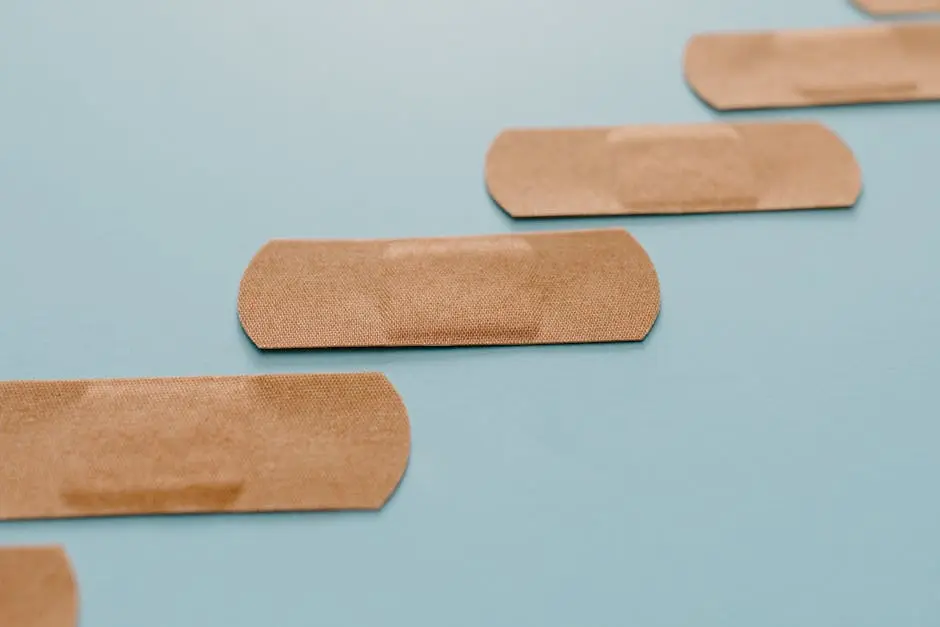
These easy-to-apply dressings come with adhesive properties that allow for quick application and minimal fuss. Self-adhesive dressings are perfect for minor wounds, cuts, or abrasions, as they eliminate the need for additional tape or securing devices. This convenience factor also encourages more frequent changes, which is essential for effective wound management.
Moreover, self-adhesive dressings are designed to be gentle on the skin, which lowers the risk of irritation and damage during removal. This user-friendly design caters to individuals of all ages, making them a fantastic option for busy families or those who are more active. Their combination of simplicity and effectiveness contributes to better overall healing outcomes.
10. Gelatin-based Dressings for Rapid Healing
Gelatin-based dressings help speed up recovery by providing a moisture-rich environment and delivering growth factors to the wound. The composition of these dressings mimics the natural healing process, making them a go-to choice for various wound types, especially those that heal slowly. By attracting water and nutrients, gelatin dressings create a conducive atmosphere for tissue regeneration.
In addition to promoting healing, gelatin-based dressings are flexible and moldable, adapting to the wound’s contours while maintaining proper adhesion. This minimizes movement-related damage, ensuring that the dressing stays securely in place while allowing for mobility. The balance of these features establishes gelatin-based dressings as a modern, efficient solution for enhancing wound recovery.